

Wireless Security Camera Setup – Why You Should Invest in Wireless Cameras
In today’s hyper-connected world, keeping your home and loved ones safe has never been easier, thanks to the rise of the wireless security camera. Unlike traditional CCTV systems tangled in cables and complex wiring, a wireless security camera operates seamlessly over Wi-Fi, letting you monitor your property from anywhere using just your smartphone or laptop. Whether you want to keep an eye on your front door, backyard or business premises, these smart devices offer convenience, flexibility and peace of mind all rolled into one.
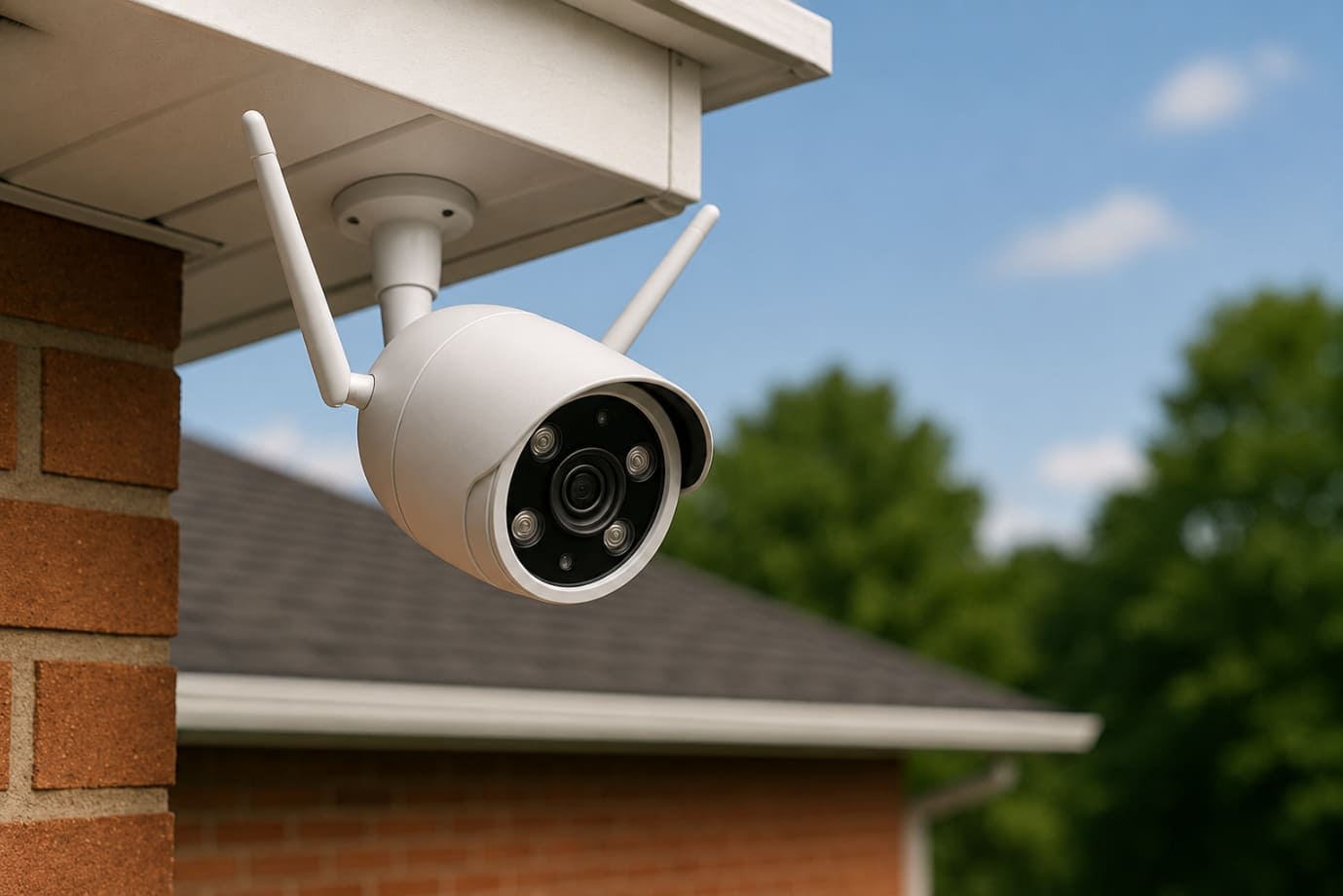
So, what exactly is a wireless security camera? In simple terms, it’s a smart surveillance device that captures video footage and transmits it through your home’s Wi-Fi network, no physical video cables required. This means you can easily set up camera units in multiple locations without the mess or cost of professional wiring. Most modern models include built-in features such as motion detection, two-way audio, night vision and even cloud storage, making them among the easiest security cameras to install for homeowners and renters alike.
The popularity of these devices is skyrocketing for several good reasons. First, a wireless security camera setup takes just a few minutes, no electrician or drilling needed. Second, they allow remote monitoring, meaning you can check in on your home or office anytime, from anywhere in the world. And third, modern smart cam setup apps make it incredibly simple to manage multiple devices, adjust settings, or review recordings in real time. Whether you’re a busy parent or a frequent traveller, this technology ensures your peace of mind is just a tap away.
If you’ve ever wondered how to install wireless camera systems or wanted a foolproof guide to set up surveillance camera at home, you’re in the right place. In less than 30 minutes, you can have your entire property under smart surveillance, here’s how.
By the end of this blog, you’ll know everything from choosing the right model to performing a quick security camera setup for home that works flawlessly from day one. So grab your camera box, open your Wi-Fi settings and get ready to install wireless security camera system like a pro.
What You Need before You Start Setting up Wireless Security Camera
Before diving into your wireless security camera installation, it’s essential to gather the right tools and equipment. A smooth setup begins with preparation, having the right devices, connections, and accessories will save you time and ensure your system performs efficiently from day one. Whether you’re planning a security camera setup for home or small office, here’s everything you’ll need to get started.
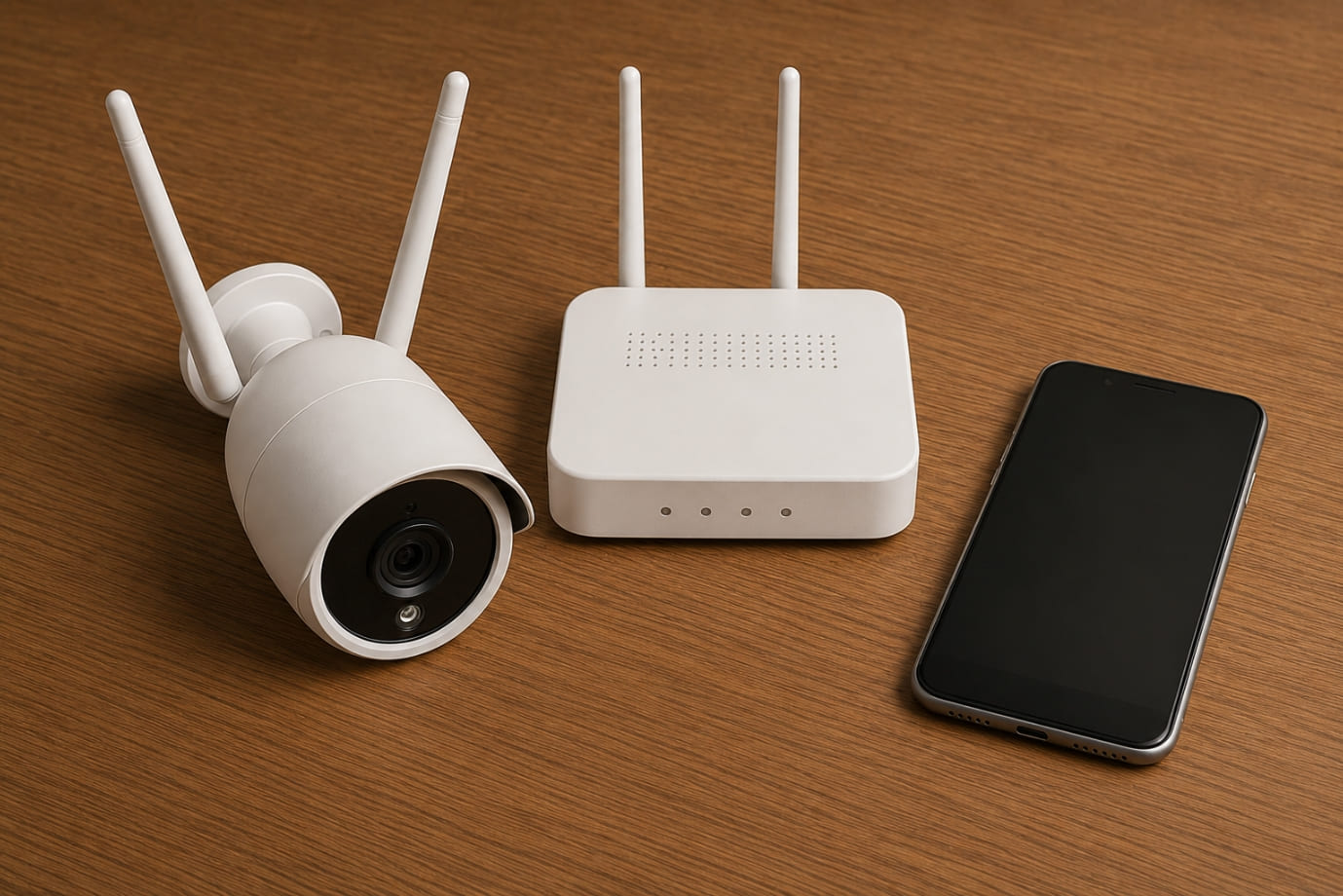
1. Choose a Compatible Wireless Security Camera
The first step in any security camera setup is selecting the right device for your specific needs. There are several types of wireless security cameras available in the market today:
- Wi-Fi IP Cameras: Perfect for beginners, these are among the easiest security cameras to install since they connect directly to your wireless network without extra hardware.
- Doorbell Cameras: Ideal for monitoring entrances and porches, providing two-way communication and real-time notifications.
- Battery powered wireless security cameras: Great for outdoor use where power outlets aren’t easily available. They are simple to relocate and require minimal maintenance.
- Bullet cameras: Designed for long-range viewing, these are perfect for driveways, fences, or commercial properties.
- PTZ camera (Pan-Tilt-Zoom): Offers advanced coverage by allowing remote control of camera angles and zoom levels, perfect for larger properties or offices.
If you’re managing multiple cameras, consider investing in an NVR camera system setup, which stores footage from all your devices in one secure location and simplifies video management.
2. A Stable Wi-Fi Connection
A reliable Wi-Fi network is the backbone of every wireless security camera setup. Without a strong signal, even the best camera will struggle to transmit clear, real-time footage.
- Make sure your router supports 2.4GHz or dual-band connections, as many cameras don’t perform well on 5GHz-only networks.
- Maintain at least 2 Mbps upload speed per camera for smooth streaming.
- Keep your router close to the camera for better stability or use Wi-Fi extenders if you’re setting up cameras outdoors.
If you’re unsure how to install wireless camera systems for optimal signal strength, position your router centrally or near windows to reduce interference.
3. A Smartphone, Tablet, or Computer for Setup
You’ll need a compatible mobile device or computer to set up camera controls through the manufacturer’s app. Most brands provide user-friendly apps that guide you through cam setup, Wi-Fi pairing and firmware updates.
- Download the official app before starting your wireless security camera installation.
- Create an account for secure cloud access and remote viewing.
- Enable notifications to get real-time alerts when motion is detected.
Having your mobile device on hand ensures your security camera setup for home goes smoothly and you can adjust camera settings instantly.
4. Optional Accessories
While not mandatory, certain accessories can enhance your wireless security camera installation experience:
- Memory Card: For local video storage when Wi-Fi or cloud access isn’t available.
- Cloud Subscription: For remote access and secure long-term video backups.
- Mounting Tools: Screws, brackets or adhesive mounts help you set up surveillance camera at home securely.
- Extra Batteries: Essential for battery powered wireless security cameras, ensuring uninterrupted monitoring.
Having these on hand ensures your camera setup is efficient, reliable and durable in all conditions.
A successful home security camera installation starts long before you power on your device. Choosing the right wireless security camera, ensuring stable internet and preparing the right tools make the process smoother and faster. With these essentials ready, you’re one step closer to completing your cam setup and transforming your property into a secure, smart space.
Step-by-Step Wireless Security Camera Setup
Setting up a wireless security camera might sound technical, but with the right approach, it’s actually one of the easiest security cameras to install in your home or office. Whether you’re working with battery powered wireless security cameras, a bullet camera or an advanced PTZ camera installation, this section walks you through every step of a flawless security camera setup for home.
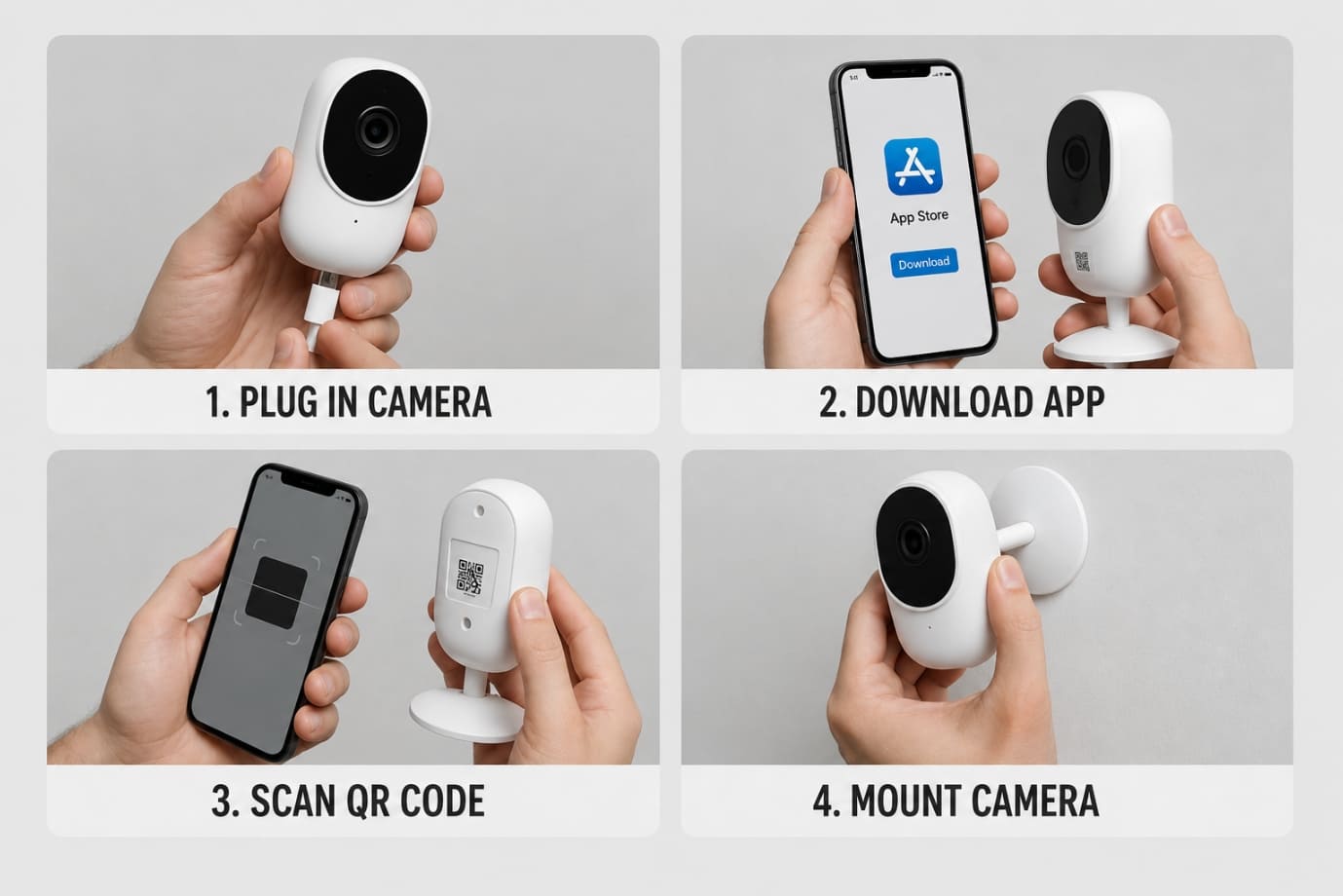
Follow these five simple steps to install wireless security camera systems like a pro.
-
Step 1: Unboxing and Initial Inspection
Start your camera setup by carefully unboxing your new device. Inside the package, you should find:
-
- The wireless security camera unit
- Power adapter or battery pack (for battery powered wireless security cameras)
- Mounting brackets and screws
- Ethernet or USB cable (if included)
- Instruction manual and QR code for the mobile app
Before you set up camera, inspect each component for any visible damage or missing parts. Plug the device into power or insert the batteries, and check for LED indicators or start up sounds that confirm it’s working. Some models may require a factory reset, usually by pressing a small pinhole button for 5–10 seconds before proceeding.
-
Step 2: Connecting to Wi-Fi
Next, it’s time to connect your wireless security camera to your home network. This step is crucial for remote viewing and cloud storage.
-
- Download the manufacturer’s app on your smartphone or tablet.
- Open the app and follow the on-screen instructions to add a new device.
- When prompted, enter your Wi-Fi credentials. Most cameras support 2.4GHz networks, while some premium models work with dual-band (2.4GHz/5GHz) routers.
Pro Tips to Avoid Wi-Fi Interference:
-
- Keep your camera within 20–30 feet of your router during initial cam setup.
- Avoid walls or metal barriers between the router and camera.
- Use Wi-Fi extenders for large properties or outdoor setups.
If you experience connection issues, reset the camera and router, then repeat the camera setup process. This simple troubleshooting often resolves pairing problems and ensures a strong, stable signal.
-
Step 3: Mounting and Positioning
Once connected, it’s time to install wireless security camera units in optimal locations. Proper mounting ensures wide coverage and accurate motion detection.
-
- Indoor Setup: Place the camera near entryways, hallways or main living areas. For security camera setup for home, mount it high enough to avoid tampering but within Wi-Fi range.
- Outdoor Setup: Position bullet cameras or battery powered wireless security cameras near garages, gates or backyards. Ensure they’re protected from direct sunlight and rain.
- Angle & Height Optimization: Tilt the camera at a downward angle to capture faces rather than just the top of heads. A height of 7–9 feet is ideal.
If you’re using a PTZ camera, take advantage of its pan-tilt-zoom features to adjust coverage remotely. For multi-camera setups, consider an NVR camera system setup to centralize recordings and manage all cameras efficiently.
-
Step 4: Configuring Settings in the App
With your cam setup complete, move on to configuration. This is where you personalize your security camera to match your needs.
-
- Motion Detection Zones: Define specific areas to monitor (like doorways or driveways) to reduce false alerts.
- Sensitivity Settings: Adjust motion detection sensitivity to balance accuracy with fewer notifications.
- Notifications & Alerts: Enable push alerts or email notifications so you’re instantly informed of suspicious activity.
- Video Storage: Choose between local storage (via SD card) or cloud-based recording for remote access.
Many wireless security cameras also allow you to integrate with voice assistants like Alexa or Google Home, perfect for smart home ecosystems.
-
Step 5: Testing and Maintenance
The final step in your security camera setup for home is testing and maintenance. Regular testing ensures that your system continues performing optimally over time.
-
- Live Feed Test: Open your app and view the live feed to confirm video clarity and stable streaming.
- Playback Test: Review recorded footage to ensure timestamps and motion clips are properly saved.
- Firmware Updates: Always install updates from the app to enhance security and add new features.
- Maintenance Routine: Clean the camera lens monthly, check battery levels (for battery powered wireless security cameras) and inspect mounts for stability.
A properly tested and maintained security camera not only increases the lifespan of your equipment but also guarantees reliable protection 24/7.
Setting up a wireless security camera is no longer a complex task. With the above steps, you can easily set up surveillance camera at home, connect it to Wi-Fi, mount it for perfect coverage and configure smart features, all within minutes.
Common Problems with Wireless Security Camera Setup and How to Fix Them
Even after a successful wireless security camera installation, you might occasionally face minor technical issues that affect performance. Below are the most frequent problems that users face during or after security camera setup, along with proven troubleshooting steps.
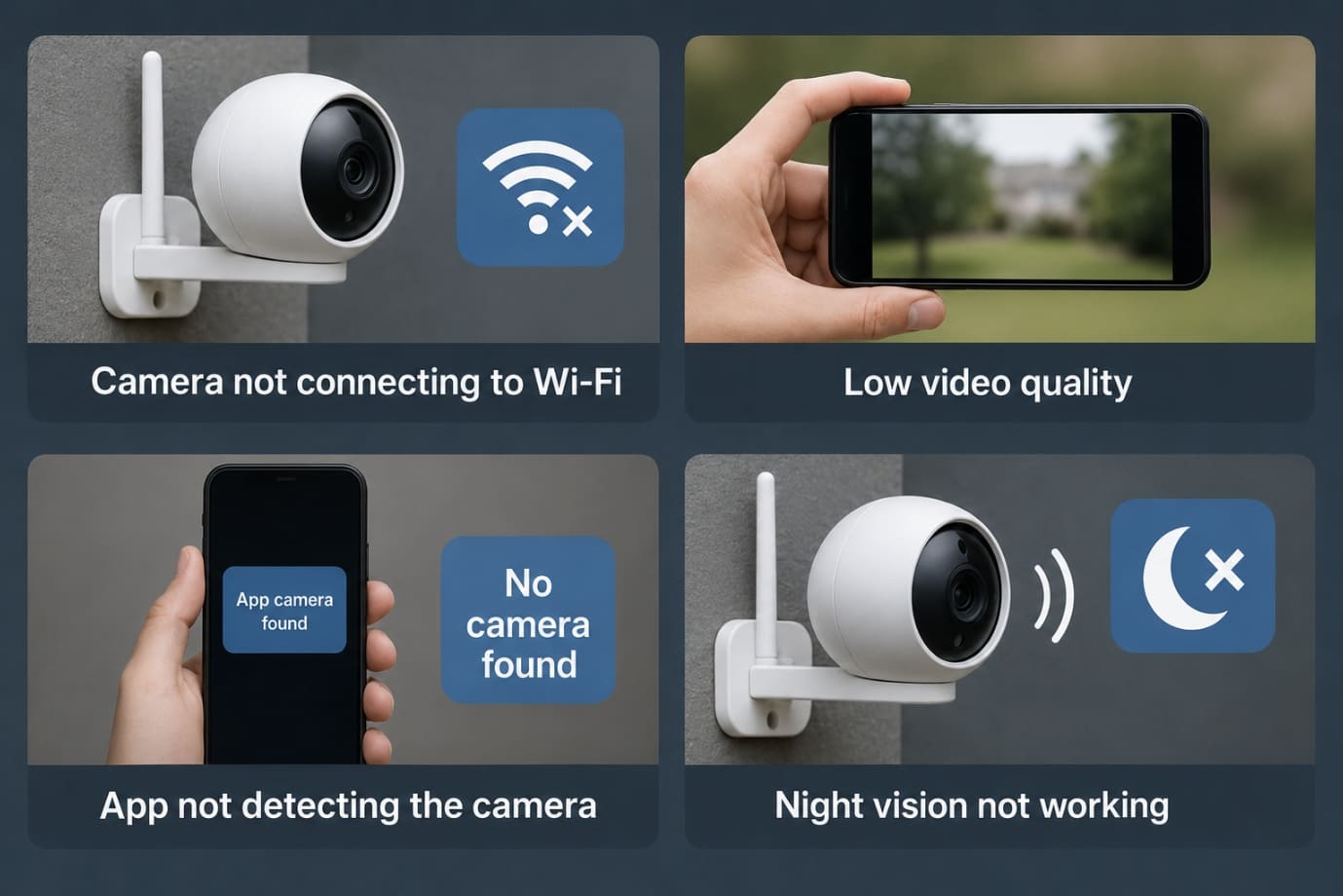
Camera Not Connecting to Wi-Fi
One of the most common frustrations during wireless security camera installation is when your device refuses to connect to Wi-Fi. This usually happens due to signal interference, incorrect credentials or incompatible frequency bands.
How to Fix It:
- Check Wi-Fi Frequency: Most wireless security cameras operate on 2.4GHz, not 5GHz. Ensure your router is broadcasting both bands.
- Reduce Distance: During cam setup, keep the camera within 15–20 feet of the router. Once connected, you can move it to its desired position.
- Re-enter Password: Double-check your Wi-Fi credentials, even a single typo can block connection.
- Reset and Retry: Press the reset button for 5–10 seconds to restart pairing mode and set up camera again.
If you’re using multiple devices (especially in an NVR camera system setup), connect each one individually and label them within the app for easier management.
Low Video Quality or Lag
If your security camera setup for home shows grainy footage or lagging streams, the problem is usually due to weak Wi-Fi signals, insufficient bandwidth or incorrect resolution settings.
How to Fix It:
- Check Network Speed: A minimum of 2 Mbps upload speed per camera is required for smooth streaming.
- Optimize Camera Placement: Avoid placing cameras behind thick walls or metal objects that block Wi-Fi.
- Adjust Resolution Settings: Lower the video resolution in the app if your internet speed is limited.
- Update Firmware: Outdated firmware can cause latency or buffering issues. Always install the latest updates via the manufacturer’s app.
For battery powered wireless security cameras, lag may also occur when the camera switches from sleep to active mode, a trade-off for longer battery life.
App Not Detecting the Camera
Another frequent issue during home security camera installation is when the mobile app fails to recognize the device during initial pairing or after a reset.
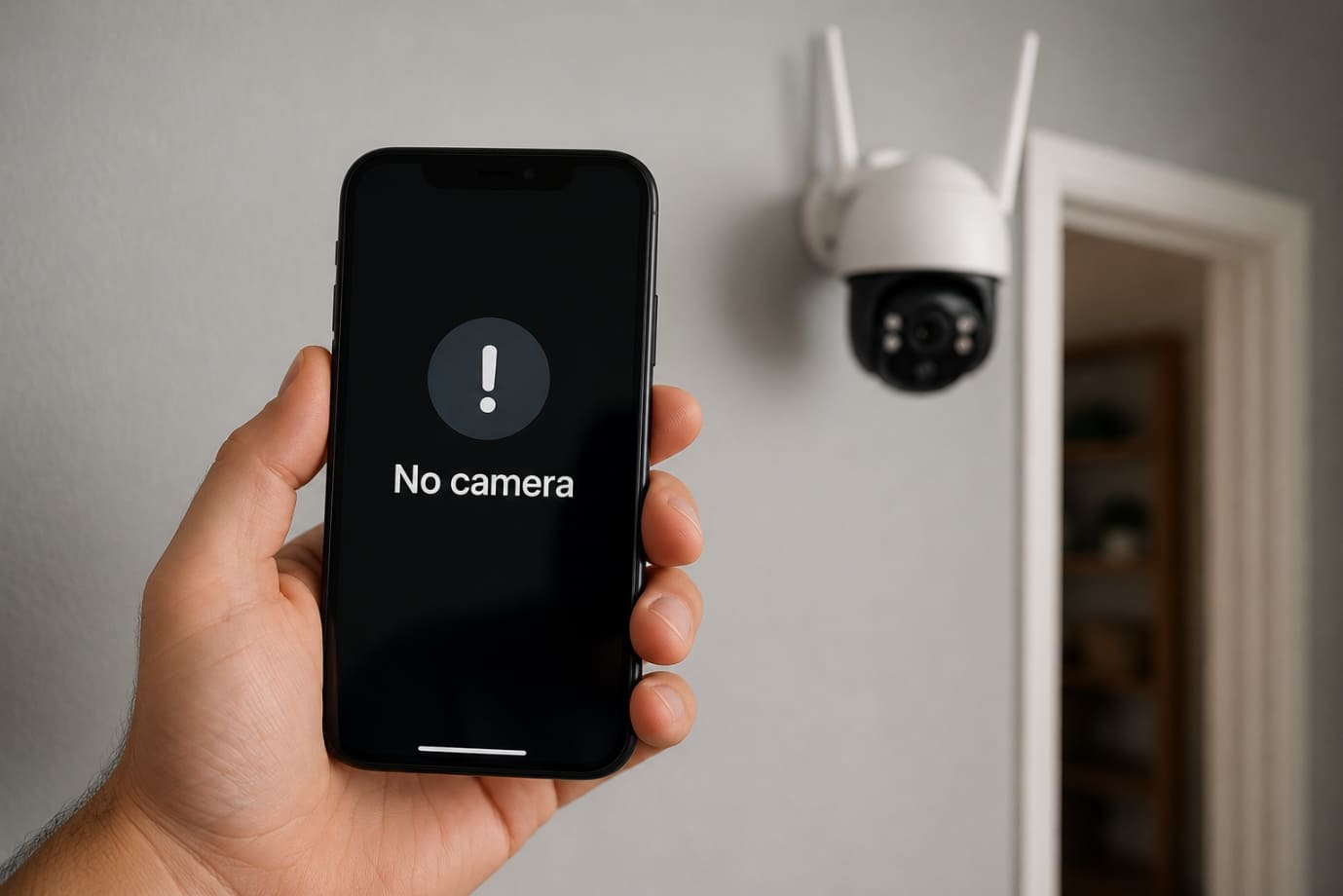
How to Fix It:
- Ensure Power Supply: For battery powered wireless security cameras, check that batteries are fully charged or replaced. For plug-in models, verify that the adapter is securely connected.
- Check Network Compatibility: Make sure both your phone and camera are on the same Wi-Fi network. Some apps don’t detect devices across separate networks (e.g., 2.4GHz vs 5GHz).
- Enable Permissions: Allow Bluetooth, Wi-Fi and location permissions in your phone settings, these are required for the app to find your device.
- Reset Device: If the app still doesn’t detect your camera, perform a factory reset and try camera setup again.
This issue is especially common in large systems like an NVR camera system setup, where multiple cameras are added simultaneously. Adding each camera one at a time usually resolves the problem.
Night Vision Not Working
A wireless security camera without working night vision leaves your home vulnerable after dark. This issue may be caused by poor lighting conditions, lens obstruction or infrared malfunction.
How to Fix It:
- Clean the Lens: Dust or debris can block the infrared light from functioning properly. Gently wipe the lens with a microfiber cloth.
- Check Ambient Light: Ensure there isn’t too much nearby light (like a porch lamp), excessive brightness can prevent night vision mode from activating automatically.
- Enable IR Settings: Go to your camera’s app and make sure “Infrared Mode” or “Auto Night Vision” is enabled.
- Test Indoors First: Cover the camera lens briefly to simulate darkness, if night vision doesn’t activate, it may require a firmware update or replacement.
For bullet cameras and PTZ camera installations, ensure the infrared LEDs are not obstructed by the mounting bracket or housing.
Bonus Troubleshooting Tips
- Restart your router weekly to maintain a stable network connection.
- Always label each device in your cam setup to avoid confusion when managing multiple cameras.
- For outdoor home security camera installation, use weatherproof casings and check for condensation that may block the lens.
- Schedule periodic maintenance in your wireless security camera setup plan, including cleaning, firmware updates and battery checks.
Technical hiccups are part of any security camera setup, but most can be resolved in minutes with the right approach. Whether your issue involves connecting to Wi-Fi, low-quality footage or unresponsive apps, these simple fixes can bring your wireless security camera back online fast.
Advanced Setup Tips for Wireless Security Camera
Once your wireless security camera is up and running, it’s time to take your system to the next level. Advanced configurations not only improve performance but also enhance security, accessibility and integration with other smart devices.
1. Integrating with Smart Home Assistants
Modern home security camera installation isn’t just about recording footage, it’s about creating a connected ecosystem. By integrating your wireless security camera setup with smart home assistants, you can control and monitor your cameras effortlessly using voice commands or smart displays.
Benefits of Integration:
-
- Hands-Free Control: Say, “Alexa, show me the front door camera,” and your feed appears instantly.
- Unified Management: Combine your wireless security camera with smart lighting, door locks or motion sensors to create automated routines.
- Multi-Device Sync: Control all cameras, even from different brands, through a single app or voice command.
How to Do It:
Most easiest security cameras to install come with built-in compatibility for these assistants. Simply link your camera’s mobile app to your smart home hub. For example, in Alexa’s app, enable the camera’s “skill,” log in to your account and sync the devices. Once connected, you can set up surveillance camera at home scenes like “Away Mode”, automatically turning on your cameras when you leave the house.
For users managing PTZ camera or outdoor bullet cameras, integration allows you to pan, tilt or zoom remotely using simple voice commands, adding convenience and control to your cam setup.
2. Using Multiple Cameras on the Same Network
If you’re securing larger properties or multiple entry points, you’ll likely use several wireless security cameras connected to the same Wi-Fi or NVR camera system setup. However, running multiple devices can strain your bandwidth if not configured correctly.
Best Practices for Multi-Camera Setup:
-
- Upgrade Your Router: Choose a dual-band or mesh Wi-Fi router to handle multiple streams without interference.
- Assign Static IPs: Prevent disconnections by assigning each camera a static IP address within your router’s admin settings.
- Use an NVR: For complex security camera setup for home systems, an NVR camera system setup helps store and manage multiple camera feeds efficiently.
- Optimize Placement: Space your battery powered wireless security cameras or bullet cameras to avoid overlapping Wi-Fi signals.
This setup not only enhances reliability but also helps you monitor your property from a single interface, ensuring complete surveillance coverage.
3. Securing Your Feed
While convenience is the key, securing your security camera setup is just as critical. An unsecured network can expose your live feed to potential cyber threats. Fortunately, a few precautions can make your home security camera installation virtually impenetrable.
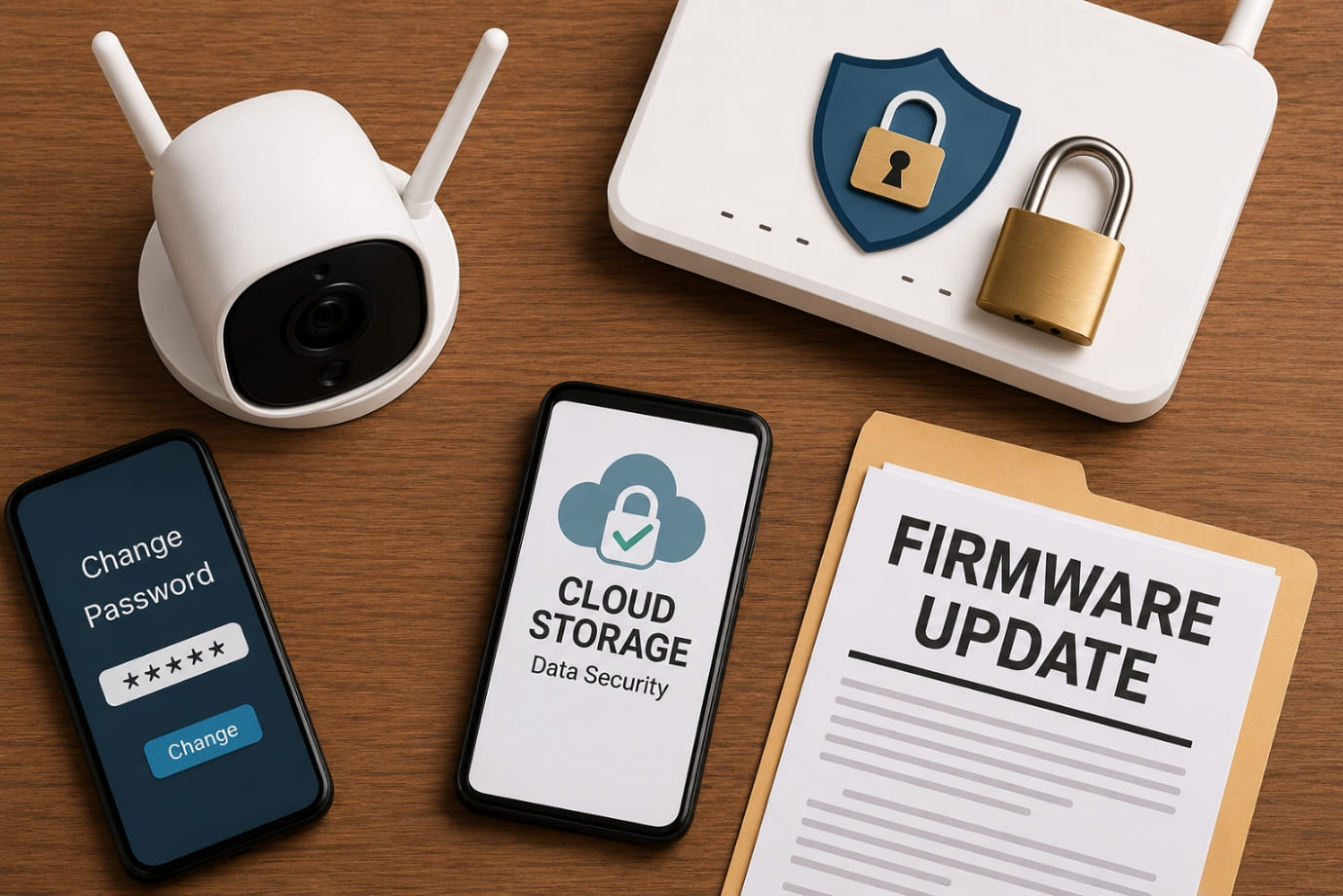
Essential Security Tips:
-
- Change Default Passwords: The first step after you install wireless security camera systems is to set strong, unique passwords for each device and app account.
- Enable Encryption: Most modern wireless security cameras support WPA2 or WPA3 encryption, ensure this is activated in your router settings.
- Firewall Configuration: Use your router’s firewall to block unauthorized external access.
- Firmware Updates: Regularly update camera software to patch vulnerabilities and maintain protection against hacking attempts.
- Use Secure Cloud Storage: Avoid unverified third-party services, always use your manufacturer’s official cloud platform for storing footage.
For advanced setups, enable two-factor authentication (2FA) on your camera apps. This extra layer of security ensures that even if your password is compromised, unauthorized users can’t access your wireless cam setup.
4. Pro Tip: Combine Functionality with Security
For the ultimate set up surveillance camera at home experience, combine smart home automation with encrypted network settings. Create schedules that automatically set up camera feeds when motion is detected or when certain smart home triggers (like a door opening) occur. This not only enhances safety but also reduces unnecessary video storage and bandwidth use.
These advanced steps take your wireless security camera system from basic to brilliant. Integrate your devices with smart home assistants, manage multiple units through an NVR camera system setup and secure your network with encryption and strong credentials.
Expert Tips for Long-Term Performance of Wireless Security Cameras
Once your wireless security camera system is up and running, keeping it performing at its best requires ongoing care and smart maintenance. Even the easiest security cameras to install need occasional attention to maintain reliability, image clarity and security. Whether you’ve set up a battery powered wireless security camera, an outdoor bullet camera or a full NVR camera system setup, these expert tips will help you ensure long-lasting performance and optimal protection.
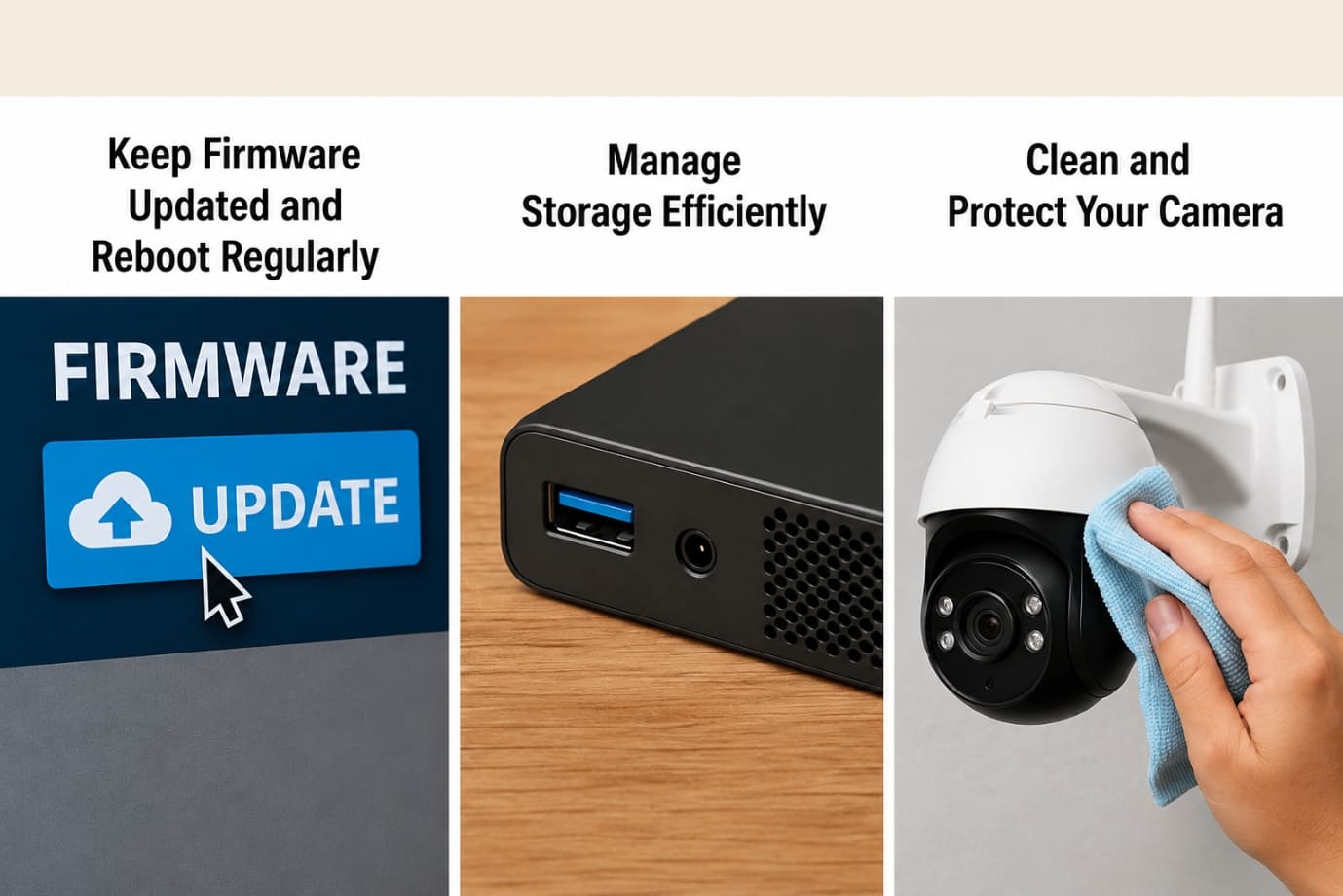
Keep Firmware Updated and Reboot Regularly
The backbone of a smooth and secure camera setup lies in consistent firmware updates. Firmware acts as your camera’s internal software, controlling everything from image processing to security encryption. Manufacturers frequently release updates to improve performance, fix bugs and patch vulnerabilities.
Why Firmware Updates Matter:
- Enhance video stability and motion detection accuracy.
- Improve compatibility with smart home assistants and mobile apps.
- Strengthen encryption and privacy protections.
- Fix connectivity or lag issues that may arise over time.
To maintain your security camera setup for home, schedule automatic firmware checks within your app. Many wireless security cameras allow you to enable notifications for new updates, take advantage of this feature to stay current.
Manage Storage Efficiently
Proper storage management ensures that your wireless security camera continues to record without interruptions or data loss. Over time, video files can accumulate and occupy significant storage, especially in high-resolution recordings or multi-camera setups.
Smart Storage Practices:
- Use Loop Recording: Most wireless security cameras and NVR camera system setups support loop recording, automatically overwriting old footage when space runs out.
- Regularly Format SD Cards: If your camera uses local storage, reformat the card monthly to prevent corruption or slow performance.
- Cloud Backup: Enable cloud storage for critical footage. Many battery powered wireless security cameras offer secure cloud options for remote access.
- Monitor Storage Capacity: Check your app dashboard frequently to see how much space remains and adjust video quality or duration accordingly.
For advanced systems like PTZ camera or multi-device home security camera installation, consider using a Network Video Recorder (NVR camera system setup) to centralize data. This not only simplifies file management but also provides redundancy in case one device fails.
Clean and Protect Your Cameras
Even the best wireless security camera can’t perform well if its lens is dirty or its housing is exposed to harsh elements. Regular cleaning and weather protection play a crucial role in maintaining image clarity and extending device lifespan, especially for outdoor bullet cameras and battery powered wireless security cameras.
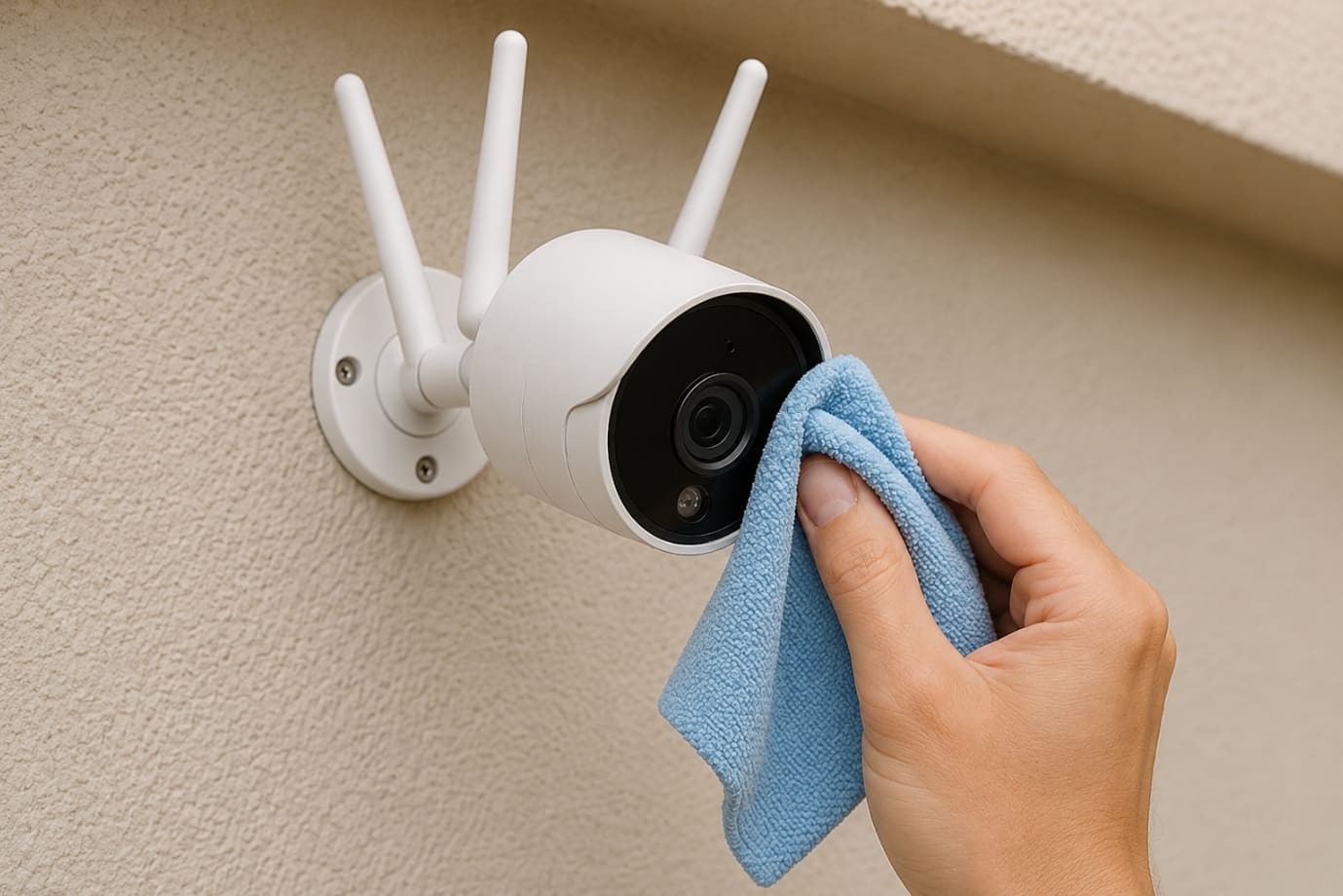
Cleaning Tips:
- Gently wipe the lens with a microfiber cloth every few weeks to remove dust, pollen or raindrops.
- Avoid using alcohol-based cleaners that may damage the lens coating.
- Check for insects, spider webs or leaves blocking the view, these can trigger false motion alerts.
Weather Protection Tips:
- Use weatherproof housings or silicone covers for outdoor units.
- For PTZ cameras, ensure that moving parts are shielded from direct rain or snow exposure.
- In extreme temperatures, use cameras rated for those conditions or install a small protective hood.
- Inspect mounting brackets regularly, rust or loosening can affect the angle and performance of your cam setup.
If you’ve recently installed wireless security cameras outdoors, consider seasonal maintenance, checking seals and connections before rainy or snowy months ensures consistent footage and longevity.
Following this structured plan keeps your home security camera installation dependable and efficient for years to come.
FAQs
Q1. What is a wireless security camera and how does it differ from a wired one?
- A wireless security camera transmits video and audio signals over Wi-Fi, eliminating the need for messy cables. Unlike wired systems, it offers flexibility and easy relocation during installation. You can monitor live footage remotely from your smartphone, making it ideal for homeowners who want a quick and modern camera setup.
Q2. How many wireless cameras can I connect to one network?
- The number depends on your router’s capacity and bandwidth. Most home routers can handle up to 4–8 wireless security cameras, but for larger setups, an NVR camera system setup is recommended. It centralizes footage and ensures smooth streaming across multiple devices during your cam setup.
Q3. What is an NVR camera system setup, and do I need one?
- An NVR camera system setup (Network Video Recorder) records and stores footage from multiple wireless security cameras on a single hub. It’s ideal for larger homes or businesses where centralized video storage is essential. If you plan to set up surveillance camera at home with several units, an NVR system simplifies monitoring and playback.
Q4. What is a PTZ camera, and what makes it special?
- A PTZ camera (Pan-Tilt-Zoom) allows remote control over the camera’s direction and zoom. These advanced cameras cover wide areas with fewer devices and are perfect for large yards or offices. You can adjust views via your app during camera setup, making them an excellent addition to smart surveillance systems.
Q5. How do I secure my wireless camera feed from hackers?
- Securing your security camera setup is vital. Change default passwords immediately, use WPA2/WPA3 encryption, and enable two-factor authentication in your app. Always update firmware and avoid connecting your install wireless security camera system to public Wi-Fi. For added protection, store footage on a secure NVR camera system setup or trusted cloud service.
Q6. Why is my camera’s night vision not working properly?
- If your wireless security camera isn’t switching to night vision, clean the lens and ensure the area is dark enough to trigger infrared sensors. Disable nearby bright lights that interfere with IR activation. For outdoor bullet camera or PTZ cameras, make sure the LEDs are unobstructed and firmware is up to date.
Q7. What type of internet speed do I need for wireless security cameras?
- Each wireless security camera typically requires at least 2 Mbps of upload speed for smooth streaming. If you use multiple cameras, ensure your total bandwidth supports them all. For large networks, consider an NVR camera system setup to handle video storage locally and reduce bandwidth strain.
Q8. Can I integrate my cameras with Alexa, Google Home, or Apple HomeKit?
- Yes, most modern wireless security cameras integrate seamlessly with smart home assistants. After completing your camera setup, link your camera app with Alexa, Google Home, or Apple HomeKit for voice control and smart automation. This integration makes it easier to set up camera routines and monitor your home hands-free.
Conclusion
Setting up a wireless security camera might seem like a technical task at first, but with the right approach and preparation, it’s one of the easiest security cameras to install for home or office use. Throughout this blog, you’ve learned every essential step, from unboxing and connecting your device to configuring settings, troubleshooting common issues and maintaining your system for the long haul. Whether you’ve chosen battery powered wireless security cameras, an outdoor bullet camera or a multi-device NVR camera system setup, the process is simple when broken down into manageable stages.
A quick recap: begin by selecting a compatible camera and ensuring your Wi-Fi connection is strong and stable. Then, move on to camera setup by pairing the device through the manufacturer’s app, connecting it to your network and testing the live feed. Once connected, mount your camera in an optimal location, configure settings like motion detection and alerts and fine-tune your video quality. The final step involves maintenance, updating firmware, cleaning lenses and managing storage to keep your security camera setup for home performing flawlessly. With these straightforward steps, anyone can install wireless security camera systems without professional assistance or complicated wiring.
The benefits of a properly configured wireless security camera system go beyond just surveillance; it offers complete peace of mind. You can monitor your home, family or business in real time, no matter where you are. The flexibility of battery powered wireless security cameras allows easy relocation, while bullet cameras provide powerful outdoor coverage for driveways, garages or yards. For larger properties or commercial setups, an NVR camera system setup ensures centralized monitoring and storage, making it easier to manage multiple cameras simultaneously. Meanwhile, advanced options like PTZ camera installation allow you to zoom, tilt and pan across wide areas, offering 360° coverage with just a tap.
A well-planned home security camera installation not only deters intruders but also helps you capture high-quality evidence in case of incidents. By following best practices in placement, maintenance and configuration, your cam setup becomes a long-term investment in safety and convenience. Moreover, today’s smart camera systems integrate seamlessly with digital assistants, giving you hands-free control and real-time alerts.
Even the best wireless security camera systems can experience setup challenges, such as unstable Wi-Fi or connection errors. If you’re facing difficulties while learning how to install wireless cameras, our team is ready to help. We specialize in smooth and secure camera setup for homes and offices.
Visit our Homepage for professional guidance and quick troubleshooting support.
 Call Voice Support